
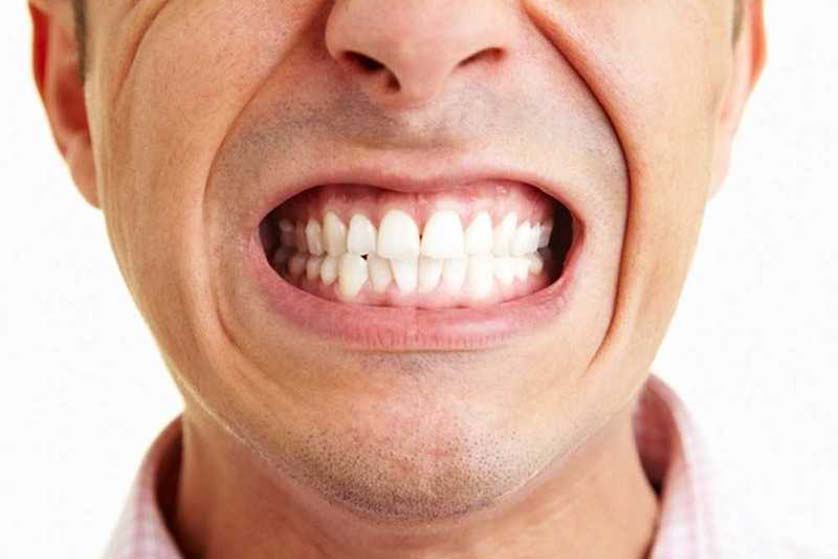
Bruxism treatment usually combines protecting the teeth with a custom-made night guard, reducing the things that trigger grinding, such as stress, caffeine, alcohol and poor sleep, and repairing any damage that has already happened. There is no single quick cure, but most people can protect their teeth and ease jaw pain once the likely cause is understood. If you wake with a sore jaw, headaches or aching teeth, a dentist can check for signs of grinding and advise you.
What is bruxism? (bruxism meaning)
Bruxism is the medical term for grinding, gnashing or clenching your teeth when you are not chewing food. It happens in two main forms:
- Sleep bruxism: grinding or clenching during sleep. Most people do not know they do it until a partner hears the noise or a dentist notices the wear.
- Awake bruxism: clenching the jaw or pressing the teeth together during the day, often while concentrating, driving, working at a screen or feeling tense.
Occasional grinding is common and not always harmful. It becomes a problem when it is frequent or forceful enough to wear the teeth, strain the jaw muscles or disturb sleep.
Signs and symptoms of teeth grinding
- Grinding noises at night, noticed by someone who shares your room
- A tired, tight or aching jaw, especially on waking
- Dull headaches, often around the temples, in the morning
- Teeth that look flattened, chipped, cracked or shorter than before
- Increased sensitivity to hot, cold or sweet foods
- Fillings or crowns that break more often than expected
- Pain or clicking near the ear, where the jaw joint sits
- Ridges on the inside of the cheeks or scalloped edges on the tongue
- Waking up unrefreshed, or broken sleep
Why are all my teeth aching?
When several teeth ache at once, especially in the morning, clenching or grinding is one possible reason. The constant pressure can make teeth and the jaw muscles feel sore all over. But generalised tooth pain has other causes too, including sinus congestion, gum disease, decay in more than one tooth, or a cracked tooth. Because the causes differ, it is worth having a dental examination rather than assuming it is grinding.
What causes bruxism?
Bruxism usually has more than one contributing factor. Common ones include:
- Stress and anxiety: one of the most frequent triggers, for both daytime clenching and night-time grinding.
- Sleep problems: grinding is linked with disturbed sleep, snoring and obstructive sleep apnoea, where breathing repeatedly stops and starts during sleep.
- Lifestyle factors: caffeine, alcohol and smoking, particularly in the evening.
- Some medicines: certain medicines, including some antidepressants, can be associated with grinding. Never stop a prescribed medicine on your own; discuss it with your doctor.
- Bite and teeth: uneven, missing or broken teeth may play a part in some people, although the bite is no longer thought to be the main cause for most.
- Habit and personality: people who are intense, competitive or hold tension in their jaw are more prone to clenching.
Children often grind their teeth too, particularly while their teeth are changing, and many grow out of it. A dentist can check a child's teeth if the grinding is loud, frequent or causing pain.
How is bruxism treated?
Treatment depends on the cause and on how much damage has been done. It usually involves several of the steps below.
A night guard (occlusal splint)
The most common dental treatment is a custom-made night guard, a thin, fitted appliance worn over the upper or lower teeth while you sleep. It does not always stop the grinding itself, but it takes the wear instead of your teeth and can spread the forces more evenly, which often eases jaw muscle tension. A night guard made by a dentist from a scan or impression of your teeth fits more accurately than a ready-made sports guard. It should be checked at your routine visits and replaced when it wears.
Repairing damaged teeth
If grinding has chipped, cracked or worn teeth, your dentist may recommend fillings, bonding or crowns to restore their shape and protect them. It usually makes sense to protect the teeth with a night guard as well, so the new restorations are not worn down in the same way.
Correcting the bite where needed
Where crooked teeth, missing teeth or an uneven bite seem to be contributing, the dentist may discuss straightening the teeth or replacing missing ones. This is decided case by case, and is not a routine treatment for grinding on its own.
How to stop grinding your teeth at night: steps you can take
These measures will not suit everyone, but they are simple and low-risk, and they help many people alongside a night guard:
- Manage stress: regular exercise, breathing exercises, yoga or meditation, and talking to someone when life feels heavy. If anxiety is significant, speak to your doctor.
- Wind down before bed: keep a regular bedtime, switch off screens for a while before sleep, and keep the bedroom dark, quiet and cool.
- Cut back on triggers: limit tea, coffee and other caffeinated drinks later in the day, and avoid alcohol and smoking in the evening.
- Relax the jaw: apply a warm compress to the jaw muscles and gently massage them before bed.
- Avoid chewing non-food items: such as pens or ice, and chewing gum for long periods, which keeps the jaw muscles working.
For daytime clenching
Remind yourself of the resting position: lips together, teeth apart, tongue resting gently on the roof of the mouth. A small reminder on your phone or a sticker on your screen can help you notice when you are clenching and let go.
When to see a doctor about sleep apnoea
Grinding can sometimes go hand in hand with obstructive sleep apnoea, which needs medical assessment. See your doctor if you or your partner notice:
- Loud, regular snoring
- Pauses in breathing, choking or gasping during sleep
- Feeling very sleepy during the day, or waking with a dry mouth or headache
Let your dentist know about any of these as well, as it can affect which kind of night appliance is suitable for you.
When to see a dentist about teeth grinding
Book a dental check if you notice worn, chipped or sensitive teeth, jaw pain, morning headaches, or if someone tells you that you grind your teeth. See a dentist sooner if a tooth cracks, a filling breaks or your jaw locks or becomes very painful. Early protection is usually simpler than repairing badly worn teeth later.
Bruxism treatment cost
The cost of bruxism treatment depends on what you need: an examination, a custom night guard, repair of worn or broken teeth, or a combination. Because every case is different, ask for a clear estimate after your examination.
At The Sterling Dental Clinic in Vasant Vihar, New Delhi, the dentist can examine your teeth and jaw, explain whether grinding is likely to be the cause of your symptoms, and talk you through options such as a night guard or repairing damaged teeth. If you would like an assessment, you can contact the clinic, or read the frequently asked questions about visiting.
Common questions
Can bruxism be cured?+
Bruxism is usually managed rather than cured. When a clear trigger such as stress, a medicine or a sleep problem is addressed, grinding often reduces. Many people continue to grind at some level, so a night guard is used to protect the teeth over the long term. Your dentist will review your teeth and the guard at regular check-ups.
Is a night guard from a chemist as good as one from a dentist?+
Ready-made or boil-and-bite guards can offer some short-term protection, but they are bulkier and may not fit evenly, which some people find uncomfortable or hard to wear through the night. A dentist-made night guard is shaped to your teeth and bite, and the dentist can check that it is suitable for you, especially if you have jaw pain or sleep problems.
What is the cost of dental bruxism treatment?+
It depends on what you need. Some people only need an examination and a custom night guard, while others also need worn or broken teeth repaired with fillings or crowns. Ask your dentist for an itemised estimate after the examination, so you know what each step involves before you decide.
Is teeth grinding in children a concern?+
Grinding is common in children, often while baby teeth are being replaced, and many children grow out of it. Mention it to your dentist if it is loud or frequent, if your child complains of jaw pain or headaches, or if they snore or seem tired during the day, which can point to a sleep or breathing problem worth checking.
Can stress alone make me grind my teeth?+
Stress and anxiety are among the most common triggers, both for daytime clenching and grinding at night. Other factors, such as caffeine, alcohol, smoking, poor sleep and some medicines, often add to it. Working on stress and sleep habits helps many people, while a night guard protects the teeth in the meantime.
This article is general information, not a diagnosis. Your own treatment plan is agreed after an examination at the clinic.