
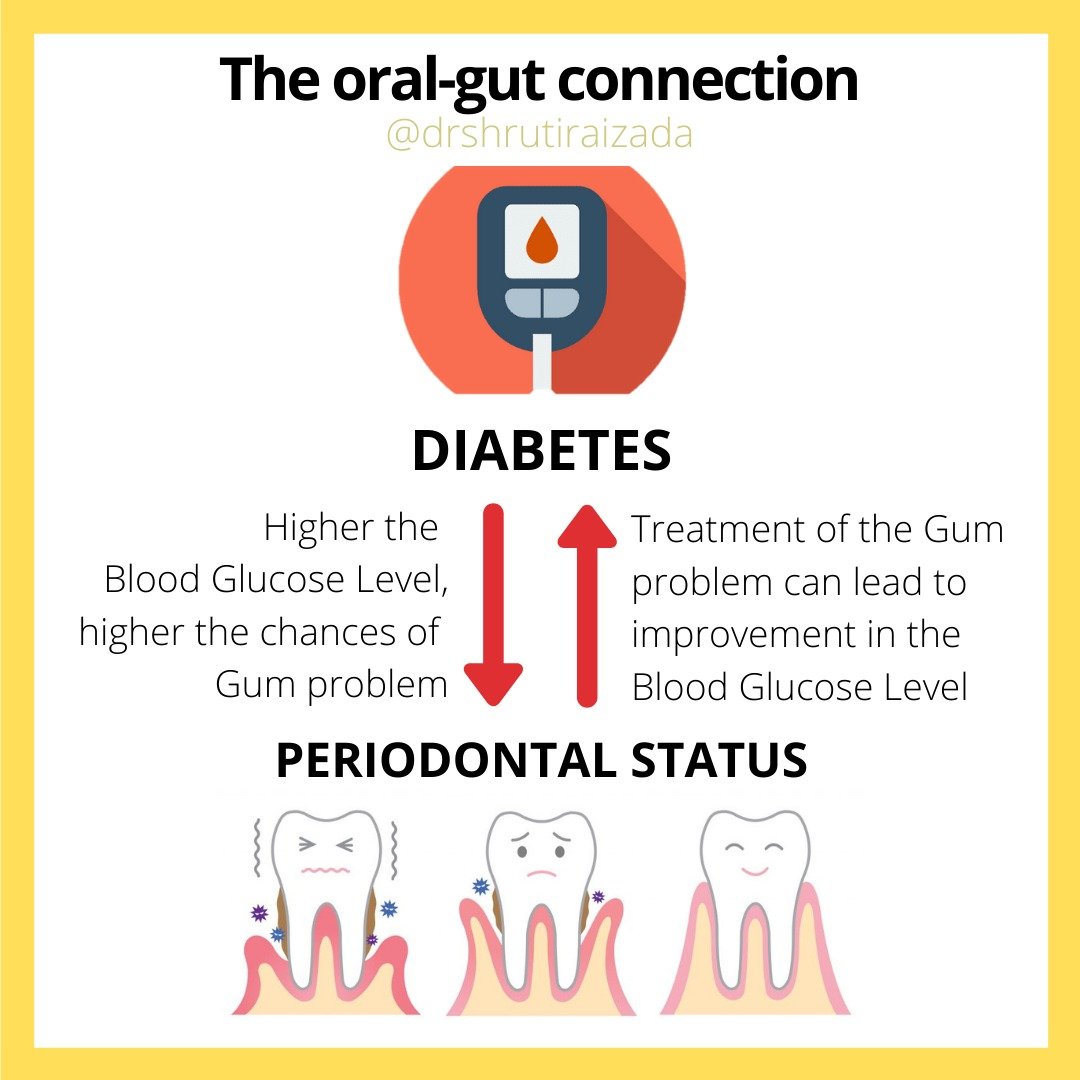
Gum disease and diabetes are closely linked, and the connection works in both directions. Diabetes, especially when blood sugar runs high, makes gum disease more likely and often more severe. In turn, untreated gum disease adds inflammation to the body and can make blood sugar harder to control.
The encouraging part is that gum disease can be prevented, and it can be treated and kept under control. This guide explains the link, the symptoms to look out for, what treatment involves, and what your dentist needs to know about your diabetes.
What is gum disease?
Gum disease, also called periodontal disease, is an infection and inflammation of the tissues that hold the teeth in place. It starts with plaque, the soft, sticky film of bacteria that builds up on teeth every day. If plaque is not removed, it hardens into tartar (calculus), which a toothbrush cannot remove.
There are two broad stages:
- Gingivitis: the gums are red, swollen and bleed easily. At this stage the damage is reversible with good cleaning at home and a professional clean.
- Periodontitis: the inflammation spreads below the gum line. Gums pull away from the teeth, forming pockets, and the bone supporting the teeth is gradually lost. Lost bone does not grow back by itself, but the disease can be stopped and controlled.
What is the connection between diabetes and gum disease?
Doctors and dentists now describe the relationship as two-way.
How diabetes affects the gums
- Higher blood sugar fuels inflammation. When glucose stays high, the body's inflammatory response is stronger and the gums react more to plaque.
- Healing is slower. Diabetes can affect small blood vessels and the body's ability to fight infection and repair tissue, so gum infections can progress faster and settle more slowly.
- Dry mouth is more common. Less saliva means less natural washing of the teeth, which helps plaque build up.
- Control makes a difference. People whose diabetes is well managed generally have a lower risk than those whose blood sugar is often high.
How gum disease affects diabetes
Periodontitis is a long-term infection. Inflamed gum pockets release inflammatory substances into the bloodstream, and this ongoing inflammation can make the body less responsive to insulin. As a result, active gum disease can make blood sugar harder to keep in range. For this reason, looking after the gums is now considered part of good diabetes care, not something separate from it.
Other factors that raise the risk further include smoking, a family history of gum disease, stress and irregular dental visits.
What are the symptoms of gum disease with diabetes?
The signs are the same as in anyone with gum disease, but they may appear sooner or progress faster. Watch for:
- Gums that bleed when you brush or clean between your teeth
- Red, swollen or tender gums
- Bad breath or a bad taste that does not go away
- Gums pulling back, so teeth look longer
- Pus between the teeth and gums, or a gum boil
- Teeth that feel loose, move apart or change the way they bite together
- Repeated gum infections that are slow to heal
People with diabetes may also notice a dry mouth, a burning feeling in the mouth, or white patches of fungal infection (thrush).
An important point: gum disease is often painless, even when it is quite advanced. Bleeding gums are not normal and are worth having checked, even if nothing hurts. Regular examinations matter because a dentist can measure the gum pockets and see changes you cannot.
How is gum disease treated in people with diabetes?
Treatment follows the same principles as for anyone else, with a little extra planning around your health.
- Assessment. The dentist or periodontist (a gum specialist) checks your gums, measures the depth of the pockets around each tooth and takes X-rays where needed to see the bone levels.
- Professional cleaning. For gingivitis, a thorough scale and polish plus better home care is often enough.
- Deep cleaning (scaling and root planing). For periodontitis, plaque and tartar are removed from below the gum line and the root surfaces are smoothed so the gums can heal and tighten. This is usually done under local anaesthesia, often in more than one visit.
- Additional treatment if needed. Some people need medicated treatment of specific pockets, removal of diseased tissue from the pockets, or gum surgery for deeper areas. Antibiotics are sometimes used, but only when the dentist judges them necessary.
- Review. A few weeks after deep cleaning, the gums are measured again to see how well they have responded.
- Maintenance. Gum disease is controlled, not cured once and forgotten. Most people with a history of periodontitis need professional cleaning more often than the usual check-up, commonly every three to four months, at an interval your dentist recommends.
You can read more about the steps on our gum treatment page.
What should I tell my dentist about my diabetes?
Good communication makes treatment safer and more effective. Before treatment, let your dentist know:
- The type of diabetes you have and how long you have had it
- Your most recent HbA1c, the blood test that reflects your average blood sugar over the past few months, and your usual sugar readings
- All your medicines, including insulin, tablets, blood thinners and anything for blood pressure, heart or kidneys
- Whether you have had low blood sugar episodes (hypos) and how they usually show
- Any other complications, such as heart, kidney or eye problems
A few practical tips for appointments:
- Eat and take your medicines as usual unless your doctor tells you otherwise.
- Bring your glucose meter and a quick source of sugar.
- Tell the team straight away if you feel shaky, sweaty or light-headed during treatment.
- If your blood sugar has been very high, the dentist may suggest coordinating with your physician before surgical treatment.
Keep your doctor informed too. If you are being treated for gum disease, it is useful for them to know, especially if your sugar readings change.
Can people with diabetes have dental implants?
Many people with well-controlled diabetes can have implants, but the gums must be healthy first, and the decision is made individually after an assessment of your health and bone. Healthy gums and steady blood sugar both help healing. Our dental implants page explains how implant treatment is planned.
How can I protect my gums at home if I have diabetes?
- Brush twice a day for about two minutes with a soft brush and fluoride toothpaste, angling the bristles towards the gum line.
- Clean between your teeth once a day with floss or interdental brushes. Your dentist can show you the right size.
- Keep blood sugar within the target agreed with your doctor. This is one of the most helpful things you can do for your gums.
- Do not smoke or use tobacco in any form, including gutka and khaini.
- Manage dry mouth by sipping water through the day and asking your dentist about suitable products.
- Clean dentures daily and take them out at night if your dentist advises it.
- Check your gums regularly in the mirror and do not ignore bleeding, swelling or loose teeth.
- Keep to regular dental visits, even when nothing hurts.
Getting your gums checked
If you have diabetes and your gums bleed, feel sore or have started to recede, an early assessment is worthwhile. At The Sterling Dental Clinic in Vasant Vihar, gum care is led by a periodontist, and we will plan treatment and maintenance around your health and your diabetes care. You can see the team or contact us to book a gum check-up.
Common questions
Does treating gum disease help diabetes?+
Treating gum disease reduces the ongoing inflammation in the gums, and lower inflammation can make blood sugar easier to manage for some people. It is not a replacement for your diabetes medicines, diet or exercise, but healthy gums are now seen as part of good diabetes care. Keep your doctor informed and continue your usual diabetes treatment.
Can diabetes cause bleeding gums?+
Diabetes does not usually cause bleeding by itself, but it makes the gums react more strongly to plaque, so gum inflammation and bleeding are more likely, particularly when blood sugar is high. Bleeding gums are a common early sign of gum disease and should be checked by a dentist rather than ignored.
Is gum disease reversible if I have diabetes?+
Early gum disease, called gingivitis, can usually be reversed with professional cleaning and good daily cleaning at home. Once periodontitis has caused bone loss, the lost bone does not grow back on its own, but the disease can be stopped and kept under control with deep cleaning, regular maintenance visits and steady blood sugar.
How often should a person with diabetes see the dentist?+
Your dentist will suggest an interval that suits your gums. People with healthy gums may need routine check-ups, while those with a history of periodontal disease often need professional cleaning every three to four months. Go sooner if you notice bleeding, swelling, a bad taste, pus or loose teeth.
Is deep cleaning safe for people with diabetes?+
Scaling and root planing is routinely carried out for people with diabetes. The dentist will ask about your blood sugar control, HbA1c and medicines first, and may schedule treatment to suit your meals and medication. If your diabetes is poorly controlled, they may coordinate with your doctor before more involved treatment.
This article is general information, not a diagnosis. Your own treatment plan is agreed after an examination at the clinic.