
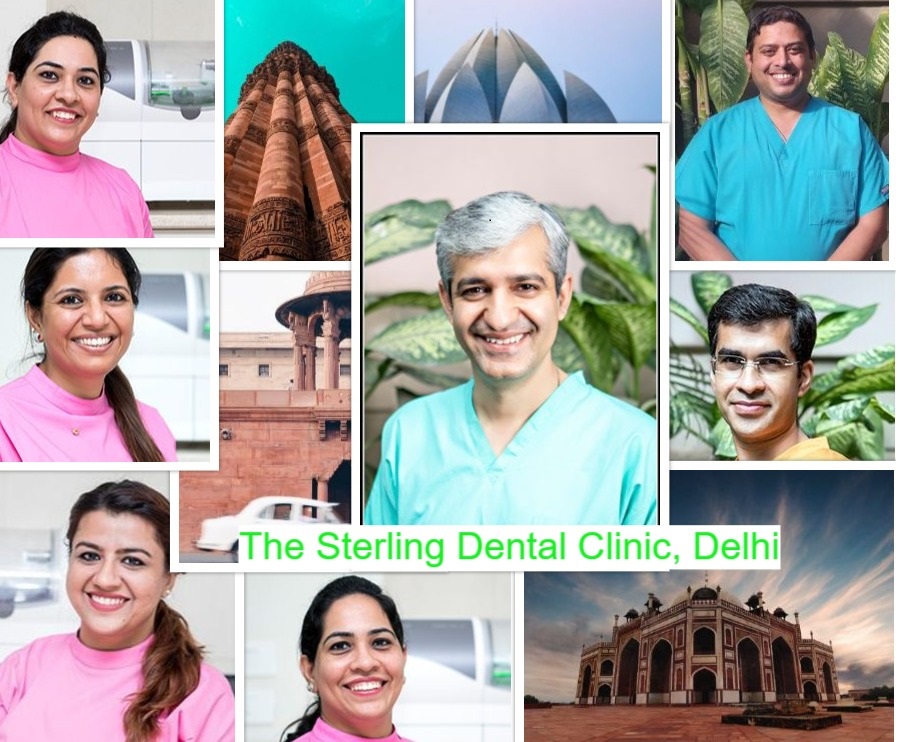
Dental treatment in India can work very well for overseas patients, provided the trip is planned around the treatment rather than the other way round. The essentials are to send your X-rays before you book flights, understand how many visits and days your treatment really needs, get an itemised written plan, and arrange aftercare with your dentist at home. This guide walks you through each step. For Sterling's own international patient service, prices and travel details, see our dental tourism in India page.
Is dental treatment in India a good idea for you?
Many people travel to India for dental care because of the combination of experienced dentists, modern equipment and lower costs than in many Western countries. It tends to suit people who:
- Have a clear treatment need, such as implants, crowns, root canal treatment or a smile makeover
- Can stay for the time the treatment needs, and return for a second trip if required
- Have a dentist at home who can carry out check-ups afterwards
- Are in reasonable general health, with any medical conditions well controlled
Travel is less suitable if you need urgent treatment for pain or swelling (see a dentist locally first), if your available time is shorter than the treatment needs, or if you have medical conditions that make flying soon after surgery unwise. Discuss your health with both your doctor and the clinic before travelling.
Step 1: Send your X-rays and records before you travel
A reputable clinic should look at your records before you book anything. Send:
- A recent OPG (a full panoramic X-ray of the jaws) or, for implant planning, a CBCT scan if you already have one
- Clear photographs of your teeth and smile, from the front and both sides
- A short medical history: conditions, medicines (especially blood thinners, diabetes medicines and bone medicines), allergies and smoking
- Any treatment plan or quote you have already had at home
- What bothers you and what you would like to achieve, in your own words
From this, the clinic can tell you what looks possible, roughly how long it will take and an indicative cost. Remember that an indicative plan is not final: the dentist will confirm it after examining you in person, and sometimes after a 3D scan.
Step 2: Understand how many days and visits your treatment needs
Every case is different, but in general terms:
- Check-up, cleaning and fillings: usually one to three days.
- Root canal treatment: often one or two appointments over a few days, followed by a crown. Some teeth need more time.
- Crowns and bridges: laboratory-made crowns typically need several days between appointments. Some ceramic crowns can be made the same day with CEREC.
- Veneers and smile makeovers: commonly about a week to ten days for a planned set of veneers, longer if gum care or whitening comes first.
- Single dental implants: usually two shorter trips a few months apart, one to place the implant and one to fit the crown once the bone has healed.
- Full-arch implants (All-on-4 or All-on-6): a longer first trip to place the implants and fit fixed temporary teeth, then a second trip months later for the final bridge.
Build in a few spare days at the end. They allow for a review appointment, small adjustments and any delay, and they stop you flying home the day after a procedure.
Step 3: What a fair dental "package" should and should not include
"Dental packages" and "dental holiday packages" are widely advertised. Some are helpful; some hide the real cost. A fair package or quote should:
- Be itemised in writing: each implant, abutment, crown, graft, scan and procedure listed separately
- Name the materials and brands, for example the implant system and the type of crown
- State what happens if the plan changes after the examination or scan
- Explain follow-up: review appointments, adjustments, and what the clinic will do if something needs attention after you return home
- Give you your records: X-rays, treatment notes and, for implants, the system and sizes used
Be cautious about:
- A fixed price promised before anyone has seen your X-rays
- Pressure to decide quickly or to pay in full before an examination
- Bundles where the hotel and sightseeing are prominent and the dental details are vague
- More treatment than your own dentist suggested, with no clear explanation of why
- Guarantees of "painless" or "lifetime" results
It is usually simpler to book your own flights and accommodation and treat the dental plan as a separate, itemised agreement with the clinic.
Step 4: Plan your stay in Delhi
- Timing: the cooler months, roughly October to March, are generally the most comfortable for travel in Delhi.
- Visa: check the current visa rules for your nationality well in advance, and ask the clinic whether a supporting letter is needed.
- Accommodation: stay close to the clinic, so appointments, reviews and any unexpected visits are easy.
- Food and rest: after surgery, plan for soft foods and quiet days. Leave sightseeing and day trips for before treatment or for gaps between appointments, not the days straight after a procedure.
- Insurance: check whether your travel insurance covers planned treatment, and what it does not cover.
Step 5: Aftercare back home
Good dental work still needs looking after. Before you leave:
- Collect copies of your X-rays, notes and a summary of what was done
- For implants, make sure you have the implant system, sizes and components recorded, so another dentist can maintain or repair them
- Ask for written aftercare instructions and a way to contact the clinic
- Book a check-up with your dentist at home a few weeks after you return, and keep up regular hygiene visits
If you have swelling, pain that gets worse, fever or a loose restoration after you are home, contact your local dentist promptly and let the clinic know.
Questions to ask a dental clinic in India before you book
- Who will carry out my treatment, and what are their qualifications and experience?
- Will you review my X-rays before I travel, and what scans will you need on arrival?
- How many visits and days will my treatment need, and will I need a second trip?
- Can I have an itemised written quote, with materials and brands named?
- What happens if my plan changes after the examination?
- Which steps are done in-house, and which go to an outside laboratory?
- How do you handle follow-up and problems after I go home?
- Will I leave with all my records?
Planning a visit to Sterling
The Sterling Dental Clinic has been in Vasant Vihar, South Delhi, since 2001, and welcomes patients from more than 97 countries. If you are planning treatment, our dental tourism in India page explains how international patients send their X-rays, how trips are planned and what to expect in the clinic. Implant patients can also read our guide to dental implants in Delhi.
Common questions
Why do people choose India for dental treatment?+
Many overseas patients choose India for the combination of experienced dentists, modern clinics and lower costs than in many Western countries, often alongside a visit to family or a holiday. The savings vary by treatment and clinic, so compare itemised written plans rather than headline prices, and make sure aftercare at home is arranged before you travel.
What are dental holiday packages in India?+
They are bundles that combine dental treatment with travel, accommodation or sightseeing. Some are convenient, but the dental part should always be a separate, itemised written plan confirmed after an examination. Be cautious of fixed prices offered before anyone has seen your X-rays, and plan sightseeing before treatment or between appointments rather than straight after surgery.
Is dental care in India safe for foreign patients?+
India has many well-run dental clinics with experienced, qualified dentists, but standards vary, as they do everywhere. Check who will treat you, ask about sterilisation and equipment, read reviews from other patients, and make sure the clinic reviews your X-rays before you book. A clear written plan and good aftercare arrangements matter more than the country.
Can I get a dental treatment quote in India before I travel?+
Yes. Most clinics that treat international patients will give an indicative plan and cost after reviewing a recent OPG or CBCT, photographs and your medical history. Treat this as a starting point: the final plan and cost are confirmed after the dentist has examined you in person, and occasionally change once a 3D scan has been taken.
How long should I stay in India for dental treatment?+
It depends entirely on the treatment. Fillings and cleaning may take a day or two, root canal treatment and crowns often around a week, and veneers about a week to ten days. Implants usually need two trips several months apart. Ask the clinic for a day-by-day plan and add a few spare days before your flight home.
This article is general information, not a diagnosis. Your own treatment plan is agreed after an examination at the clinic.